While tree care is often bundled into landscaping budgets, it’s important to treat it as a distinct service—both in scope and cost. Unlike mowing or planting beds, tree care involves specialized skills, equipment, and risk management.
Unfortunately, this is where many budgeting efforts fall short. Trees are long-term assets, and their needs can shift dramatically from year to year. A mature oak showing no issues today could become a hazard in the next storm season. That’s why carving out dedicated funding is a smart move for any property manager.
As you develop your annual landscape budget, consider:
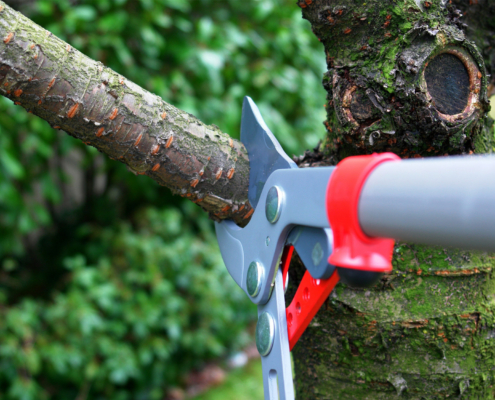
- Differentiating vendors: Your landscape crew may mow and mulch, but only a certified arborist can assess tree risk or safely remove a failing limb.
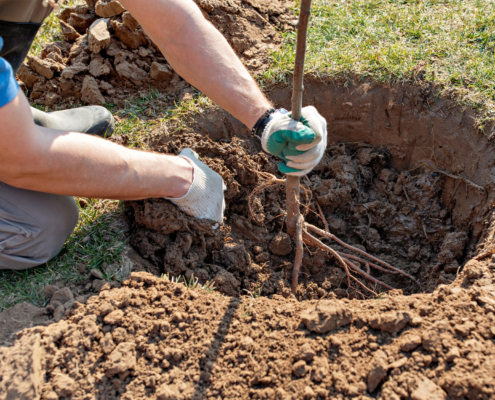
- Timeline planning: Tree work is seasonal. Booking services in advance ensures availability during ideal windows (like winter pruning or spring planting).
- Cost variability: Unlike routine lawn care, tree services can fluctuate based on weather events, property age, and changing canopy conditions.
By recognizing tree care as a specialized component of your budget, you position your property for proactive care, better vendor oversight, and fewer unexpected expenses.