Many property owners hesitate to prune in the winter, often due to outdated information or common misconceptions. However, skipping structural pruning during dormancy can mean missing one of the safest and most beneficial windows for tree care.
Here are some common myths to avoid:
“Winter pruning harms the tree.”
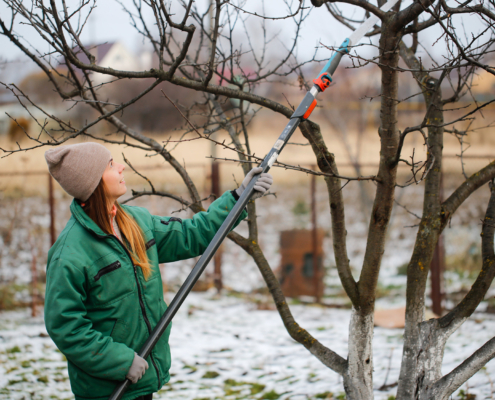
In reality, winter is one of the best times to prune most trees. With foliage gone, arborists have clear visibility into a tree’s structure, making precise cuts easier and more effective. Dormancy also means the tree isn’t actively growing, so wounds close more slowly but with reduced stress and less risk of disease transmission.
“Oaks don’t need pruning unless a limb breaks.”
Waiting for visible damage is risky. Oaks, like all large trees, benefit from preventative structural pruning that reduces hazards before failure occurs. Routine attention helps avoid unbalanced canopies and costly emergency removals.
“I can do it myself, it’s just a few branches.”
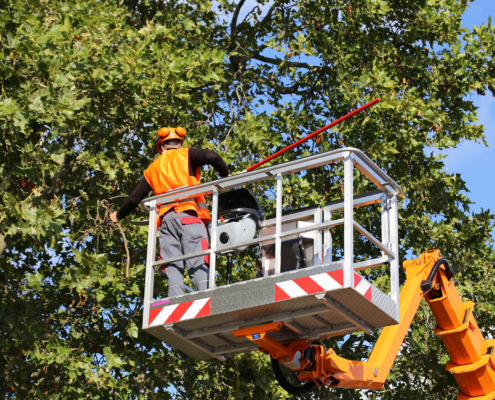
This is where DIY efforts can quickly lead to trouble. Large oaks often have high, heavy limbs that require technical skill and safety equipment to prune correctly. Incorrect cuts can destabilize the canopy, introduce decay, or even endanger people and property.
While winter pruning might seem counterintuitive, it’s actually a smart, science-backed strategy for long-term tree health and safety. And when mature oaks are involved, it’s not just about when you prune—but who you trust to do it right.