Meyer Tree Service
  • Our Services
    • Tree Trimming and Pruning
    • Tree Removal
    • Brush Removal
    • Stump Grinding
    • Tree Planting & Transplanting
    • Emergency Tree Services
    • Lightning Protection
    • Soil Decompaction/Air Excavation
    • Construction Consultation
    • Tree Support & Protection Systems
    • Plant Health Care
  • Commercial Services
  • About Us
    • Leadership Team
    • Certifications
    • Areas We Serve
      • Clayton
      • Kirkwood
      • Ladue
      • Sunset Hills
    • Careers
    • Testimonials
    • Blog
  • Meyer Tree Service-logo-full
  • Certified Arborist
  • Emergency Service
  • Contact
  • Menu Menu

Why Oak Tree Trimming Is Crucial Before Spring Arrives in St. Louis

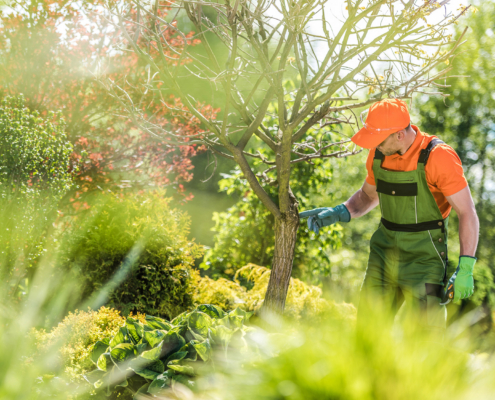
Pruning oak trees at the right time is not just a routine maintenance task—it’s essential to ensuring their health, safety, and beauty. Oak tree trimming before spring is especially critical for St. Louis area home and business owners. This timing can help reduce disease pressure, encourage healthy growth, and keep your trees looking their best as the warmer months approach.
Why Timing Matters for Oak Tree Trimming

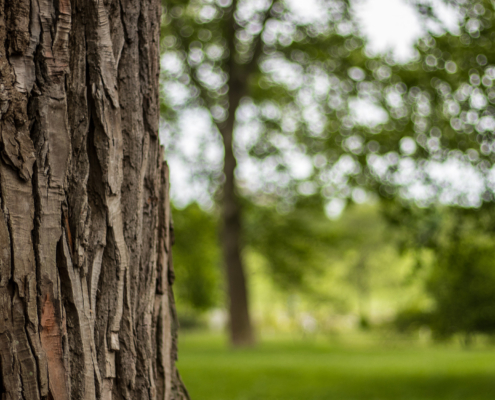
Trimming your trees during the winter months or before the start of spring (November 1 through March 30) is essential for their health and longevity. The dormant season, when trees are not actively growing, is the safest and most effective time for pruning.

During this period, oak trees are less vulnerable to diseases like oak wilt, a fungal infection spread by sap beetles drawn to trees with wounds or fresh pruning cuts. By scheduling trimming before spring, you protect your trees while setting the stage for healthy growth in the upcoming season.

Understand the Importance of Oak Pruning

Oak trees, a widespread species in the St. Louis area, benefit significantly from pruning during their dormant season. These trees are particularly susceptible to oak wilt, making it even more critical to avoid pruning them in the warmer months when the insects that transmit the disease are more active.

 Explore our homeowner’s guide to trimming trees in the fall and winter to learn more about the importance of timing.

Discover More

Benefits of Seasonal Tree Care for Oak Trees

Seasonal tree care, especially for oak trees, goes beyond basic maintenance. It addresses key aspects of tree health and aesthetics, ensuring your property remains safe, beautiful, and well-maintained. Here are the top reasons why pruning oak trees before spring is a must:

Prevents the Spread of Oak Wilt

Oak wilt is a deadly fungal disease that spreads by sap beetles that are attracted to wounds and fresh pruning cuts caused by mechanical injury or natural damage. Pruning oak trees before the growing season minimizes the risk of infection. During winter and early spring, insects that carry the spores are dormant, reducing the likelihood of transmission.

Promotes Healthy Growth

Proper trimming removes dead, damaged, or diseased branches, allowing your oak trees to allocate energy to healthy growth. This improves the tree’s overall structure and strength, ensuring it thrives throughout the growing season.

Improves Safety and Structural Integrity

Overgrown or weak branches can pose a safety hazard, especially during spring storms. Trimming oak trees before spring removes weak or overhanging branches, reducing the risk of damage to property or injury to people. We assess trees and note branches with poor attachment angles and unfavorable aspect ratios, which are also indicators of potential failure.

Boosts Aesthetic Appeal

A well-trimmed oak tree enhances the overall appearance of your property. By shaping the tree during the dormant season, you create a balanced and attractive structure that adds to the curb appeal of your home or business.

Signs That Indicate the Need for Oak Tree Trimming at Your St. Louis Property

Proper pruning not only enhances the appearance of a tree but also promotes its health and safety. To help ensure your trees thrive, it’s important to know which branches to target when trimming. Here are tips from a certified arborist on how to identify these branches and situations where trimming is necessary:

Dead or Diseased Branches

Dead or diseased branches present safety issues, making their removal a top priority. Here’s how to spot them and why they should be addressed:

How to Identify:

  • Dead branches are typically dry, brittle, and lack leaves, even during the growing season.
  • Diseased branches may show discoloration, fungal growth, or oozing sap. Look for unusual spots, cracks, or swelling as indicators of disease.
  • Lack viable bud sets

Why They Should Be Removed:

  • Deadwood can fall unexpectedly, creating safety hazards for people and property.
  • Diseased branches can be pathways to spread infections to healthy parts of the tree, risking more extensive damage.
  • Can indicate compromised structural stability of portions of the canopy.

Weak or Crossing Branches

Weak and crossing branches pose structural and health risks to trees. Early recognition of these issues allows for effective intervention.

How to Identify:

  • Weak branches often have poor attachment angles where they join the trunk, making them vulnerable to breaking under pressure.
  • Crossing branches rub against one another, causing wounds that expose the tree to pests and diseases.

Why They Should Be Removed:

  • Removing weak branches helps prevent potential structural damage, allowing the tree to grow stronger and more stable limbs.
  • Eliminating crossing branches reduces the risk of decay, infections, or infestations that enter through open wounds resulting from continuous friction.

Low-Hanging Limbs

Low-hanging limbs can obstruct pathways and views, creating potential hazards or safety concerns. Understanding when and why to trim these branches is key to maintaining safety and functionality.

How to Identify:

  • Look for branches that hang below head height over walkways or obstruct visibility on driveways and streets.
  • Identify limbs that encroach on buildings, fences, or utility lines. Look especially around doors and windows, which may provide cover for someone to enter or exit houses and businesses undetected.

Why They Should Be Removed:

  • Trimming low-hanging branches improves safety by opening up lines of sight, and preventing accidents and property damage.
  • It also helps maintain a neat, unobstructed appearance, enhancing the aesthetics of your landscape.

Additional Situations Requiring Trimming

Sometimes, tree trimming needs extend beyond the categories above. Here are a few scenarios where additional pruning might be necessary:

  • Storm Damage: After storms, inspect for broken or hanging branches that could fall and cause harm.
  • Growth Over Power Lines or Roofs: Branches growing near buildings or utilities can cause power outages, damage, or pose fire risks, so they should be trimmed immediately.
  • Thinning Dense Canopies: An overly dense canopy blocks sunlight and reduces air circulation, fostering pests and fungi. Trim strategically to open the canopy and promote healthier growth.
  • Seasonal Overgrowth: Certain trees grow rapidly during specific seasons. Regular pruning keeps their size manageable and shape balanced.

Professional vs. DIY Oak Tree Trimming

While DIY tree trimming might seem like a cost-effective option, oak tree maintenance is a task best left to certified arborists and experienced tree professionals. Their expertise, tools, and focus on safety ensure your trees are cared for properly and your property remains secure. Here’s a closer look at why hiring a professional is the smarter choice

Expertise in Seasonal Tree Care

Oak trees have specific trimming requirements that vary by season. Certified arborists:

  • Understand the risks of improper timing: Trimming oak trees during their active growing season can expose them to diseases like oak wilt, which can devastate your tree and spread to nearby oaks. Professionals know the ideal times to prune and how to avoid these risks.
  • Spot underlying issues: A trained arborist can identify signs of disease, pest infestations, or structural weaknesses that may go unnoticed by an untrained eye. Early intervention can save a tree and prevent costly damage.
  • Know when to say when: Mature oaks should never have more than 25%- 33% of their living canopy removed.  

Specialized Equipment

Properly trimming oak trees often requires advanced tools and techniques that go beyond what most homeowners can access. Professionals:

  • Have the right tools for the job: From pole pruners and task specific chainsaws to aerial lifts, certified arborists use specialized equipment to ensure precision and safety, even for tall or hard-to-reach branches.
  • Work efficiently: Without the right tools, trimming a large oak can take hours—or days—for a homeowner. Professionals complete the job quickly and effectively, minimizing disruption to your property.

Safety First

Trimming large oak trees is inherently dangerous. DIY trimming can lead to accidents or injuries without proper training and equipment. Professionals:

  • Minimize risks: Certified arborists are trained to manage the hazards of tree trimming, from falling branches to power line interference.
  • Protect your property: They take precautions to prevent damage to nearby structures, vehicles, and landscaping.

Enhance the Look and Safety of Your Property With MTS’s Oak Tree Trimming Services

Whether you have young trees or towering mature oaks, fall and winter are the time of year to handle trimming and pruning needs. For over a decade, Meyer Tree Service (MTS) has provided seasonal tree care to St. Louis area property owners looking to boost curb appeal and promote safety with healthy trees. Contact us today to discuss your oak tree trimming needs and schedule a free on-site consultation.

Share This Post

  • Share on Facebook
  • Share on X
  • Share on WhatsApp
  • Share on Pinterest
  • Share on LinkedIn
  • Share on Tumblr
  • Share on Vk
  • Share on Reddit
  • Share by Mail

More Like This

What to Look for When Hiring a Tree Company in St. Louis

What to Look for When Hiring a Tree Company in St. Louis

Tree Services
https://www.meyertreecare.com/wp-content/uploads/2026/06/What-to-Look-for-When-Hiring-a-Tree-Company-in-St.-Louis.jpg 1250 2000 Abstrakt Marketing /wp-content/uploads/2024/06/Meyer-Tree-Service-logo-full.png Abstrakt Marketing2026-06-17 08:41:552026-06-17 08:41:57What to Look for When Hiring a Tree Company in St. Louis

How Structural Pruning Reduces Storm Damage to Trees in Summer

Tree Trimming & Pruning
https://www.meyertreecare.com/wp-content/uploads/2026/04/How-Storm-Season-Changes-Your-Summer-Pruning-Priorities.jpg 1250 2000 Abstrakt Marketing /wp-content/uploads/2024/06/Meyer-Tree-Service-logo-full.png Abstrakt Marketing2026-04-20 15:56:112026-06-17 08:18:21How Structural Pruning Reduces Storm Damage to Trees in Summer

How to Provide Tree Protection for Young Trees Facing Severe Weather

Tree Services
https://www.meyertreecare.com/wp-content/uploads/2026/04/How-to-Provide-Tree-Protection-for-Young-Trees-Facing-Severe-Weather.jpg 1250 2000 Abstrakt Marketing /wp-content/uploads/2024/06/Meyer-Tree-Service-logo-full.png Abstrakt Marketing2026-04-17 15:48:212026-06-17 08:18:21How to Provide Tree Protection for Young Trees Facing Severe Weather
St. Louis Homeowners’ Guide to Spring Storm Preparation for Trees

St. Louis Homeowners’ Guide to Spring Storm Preparation for Trees

Tree Services
https://www.meyertreecare.com/wp-content/uploads/2026/04/St.-Louis-Homeowners-Guide-to-Spring-Storm-Preparation-for-Trees.jpg 1250 2000 Abstrakt Marketing /wp-content/uploads/2024/06/Meyer-Tree-Service-logo-full.png Abstrakt Marketing2026-04-07 10:20:432026-06-17 08:18:22St. Louis Homeowners’ Guide to Spring Storm Preparation for Trees
Common Tree Problems St. Louis Homeowners Should Watch for After Winter

Common Tree Problems St. Louis Homeowners Should Watch for After Winter

Tree Services
https://www.meyertreecare.com/wp-content/uploads/2026/04/Common-Tree-Problems-St.-Louis-Homeowners-Should-Watch-for-After-Winter.jpg 1250 2000 Abstrakt Marketing /wp-content/uploads/2024/06/Meyer-Tree-Service-logo-full.png Abstrakt Marketing2026-04-02 23:05:422026-06-17 08:18:22Common Tree Problems St. Louis Homeowners Should Watch for After Winter
When and Why to Prune Trees in Spring Before Bud Break

When and Why to Prune Trees in Spring Before Bud Break

Tree Trimming & Pruning
https://www.meyertreecare.com/wp-content/uploads/2026/03/When-and-Why-to-Prune-Trees-in-Spring-Before-Bud-Break.jpg 1250 2000 Abstrakt Marketing /wp-content/uploads/2024/06/Meyer-Tree-Service-logo-full.png Abstrakt Marketing2026-03-13 14:01:532026-06-17 08:18:22When and Why to Prune Trees in Spring Before Bud Break

Why You Should Schedule a Tree Risk Assessment This Winter

Tree Removal, Tree Trimming & Pruning
https://www.meyertreecare.com/wp-content/uploads/2026/01/Why-You-Should-Schedule-a-Tree-Risk-Assessment-This-Winter.jpg 1250 2000 Abstrakt Marketing /wp-content/uploads/2024/06/Meyer-Tree-Service-logo-full.png Abstrakt Marketing2026-01-21 14:49:132026-06-17 08:18:22Why You Should Schedule a Tree Risk Assessment This Winter

The Best Time to Prune Trees in St. Louis: A Local Species Guide

Tree Trimming & Pruning
https://www.meyertreecare.com/wp-content/uploads/2026/01/When-to-Prune-Popular-St.-Louis-Tree-Species.jpg 1250 2000 Abstrakt Marketing /wp-content/uploads/2024/06/Meyer-Tree-Service-logo-full.png Abstrakt Marketing2026-01-21 14:39:072026-06-17 08:18:22The Best Time to Prune Trees in St. Louis: A Local Species Guide
pruning fruit trees with pruning shears

Why Dormant Pruning Is the Best Move for St. Louis Trees This Winter

Tree Trimming & Pruning
https://www.meyertreecare.com/wp-content/uploads/2026/01/pruning-fruit-trees-with-pruning-shears.jpg 1250 2000 Abstrakt Marketing /wp-content/uploads/2024/06/Meyer-Tree-Service-logo-full.png Abstrakt Marketing2026-01-13 07:19:392026-06-17 08:18:22Why Dormant Pruning Is the Best Move for St. Louis Trees This Winter
Previous Previous Previous Next Next Next

Categories

  • Certified Arborist
  • Commercial Tree Care
  • Deep Root Fertilization
  • Emergency Tree Services
  • Miscellaneous
  • Plant Health Care Services
  • Seasonal Tree Care
  • tree planting and transplanting
  • Tree Removal
  • Tree Services
  • Tree Services (HOAs)
  • Tree Trimming & Pruning

Contact Us

"*" indicates required fields

Address*

Accreditation

asm-isa

Affiliations

Tree Services

Tree Trimming and Pruning

Tree Removal

Tree Planting and Transplanting

Stump Grinding and Removal

Commercial Tree Services

Contact Us

1560 Fairview Ave.
St. Louis, MO 63132

314.426.2911

info@meyertreecare.com


Website by Abstrakt Marketing Group ©
  • Sitemap
  • Privacy Policy
Link to: Tree Planting Tips: Selecting the Perfect Type and Placement for Your St. Louis Area Property Link to: Tree Planting Tips: Selecting the Perfect Type and Placement for Your St. Louis Area Property Tree Planting Tips: Selecting the Perfect Type and Placement for Your St. Louis...Person planting tree Link to: Treating Tree Pests: Protect Your St. Louis Landscape with Professional Care Link to: Treating Tree Pests: Protect Your St. Louis Landscape with Professional Care Person wrapping tree to protect it from insectsTreating Tree Pests: Protect Your St. Louis Landscape with Professional Car...
Scroll to top Scroll to top Scroll to top

This site uses cookies. By continuing to browse the site, you are agreeing to our use of cookies.

AcceptLearn more

Cookie and Privacy Settings


How we use cookies

We may request cookies to be set on your device. We use cookies to let us know when you visit our websites, how you interact with us, to enrich your user experience, and to customize your relationship with our website.

Click on the different category headings to find out more. You can also change some of your preferences. Note that blocking some types of cookies may impact your experience on our websites and the services we are able to offer.

Essential Website Cookies

These cookies are strictly necessary to provide you with services available through our website and to use some of its features.

Because these cookies are strictly necessary to deliver the website, refusing them will have impact how our site functions. You always can block or delete cookies by changing your browser settings and force blocking all cookies on this website. But this will always prompt you to accept/refuse cookies when revisiting our site.

We fully respect if you want to refuse cookies but to avoid asking you again and again kindly allow us to store a cookie for that. You are free to opt out any time or opt in for other cookies to get a better experience. If you refuse cookies we will remove all set cookies in our domain.

We provide you with a list of stored cookies on your computer in our domain so you can check what we stored. Due to security reasons we are not able to show or modify cookies from other domains. You can check these in your browser security settings.

Other external services

We also use different external services like Google Webfonts, Google Maps, and external Video providers. Since these providers may collect personal data like your IP address we allow you to block them here. Please be aware that this might heavily reduce the functionality and appearance of our site. Changes will take effect once you reload the page.

Google Webfont Settings:

Google Map Settings:

Google reCaptcha Settings:

Vimeo and Youtube video embeds:

Accept settingsHide notification only