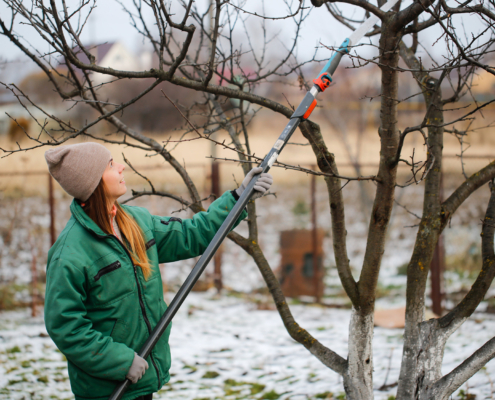
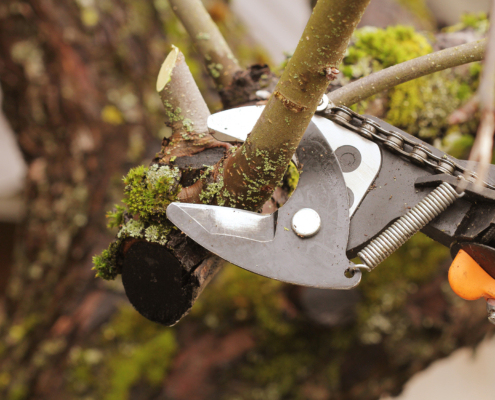
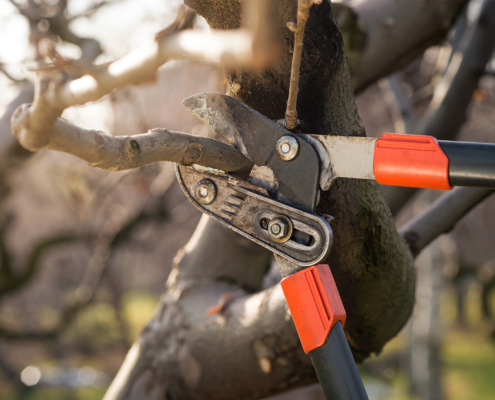
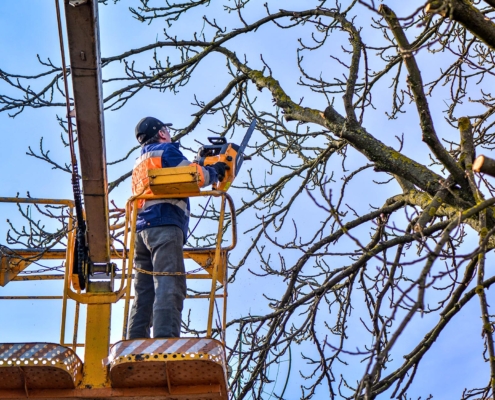
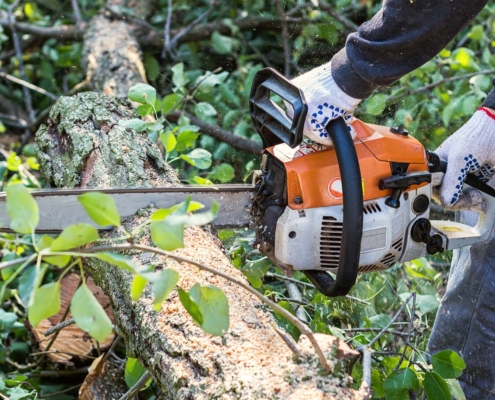
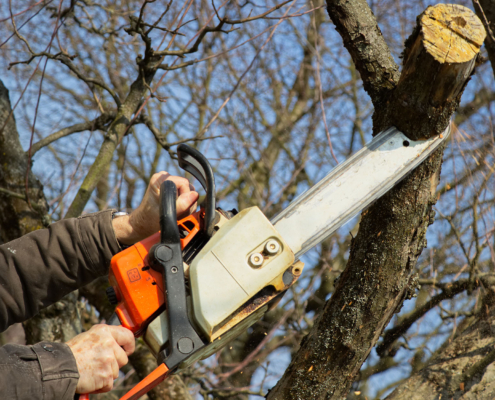
When you invest in pruning trees in winter, you’re laying the groundwork for healthy, vigorous spring growth. By clearing away what’s decayed or damaged, you allow the tree to focus its resources on strong, productive branches once the growing season returns.
This timing is particularly important for oak trees in winter. Because oaks are susceptible to diseases like oak wilt, winter pruning offers a safer window for intervention without increasing infection risk. Plus, deadwooding enhances the natural beauty of mature trees, so they leaf out stronger, fuller, and more symmetrical in the spring.
Additional benefits of dormant-season dead-wooding include:
- Less competition for nutrients, water, and sunlight
- Stronger limb development in key structural areas
- Reduced weight in the canopy, helping prevent storm damage
- Improved property safety and curb appeal year-round
Whether your goal is tree longevity, hazard prevention, or simply having a cleaner, more professional-looking landscape, winter is the ideal time to start.